
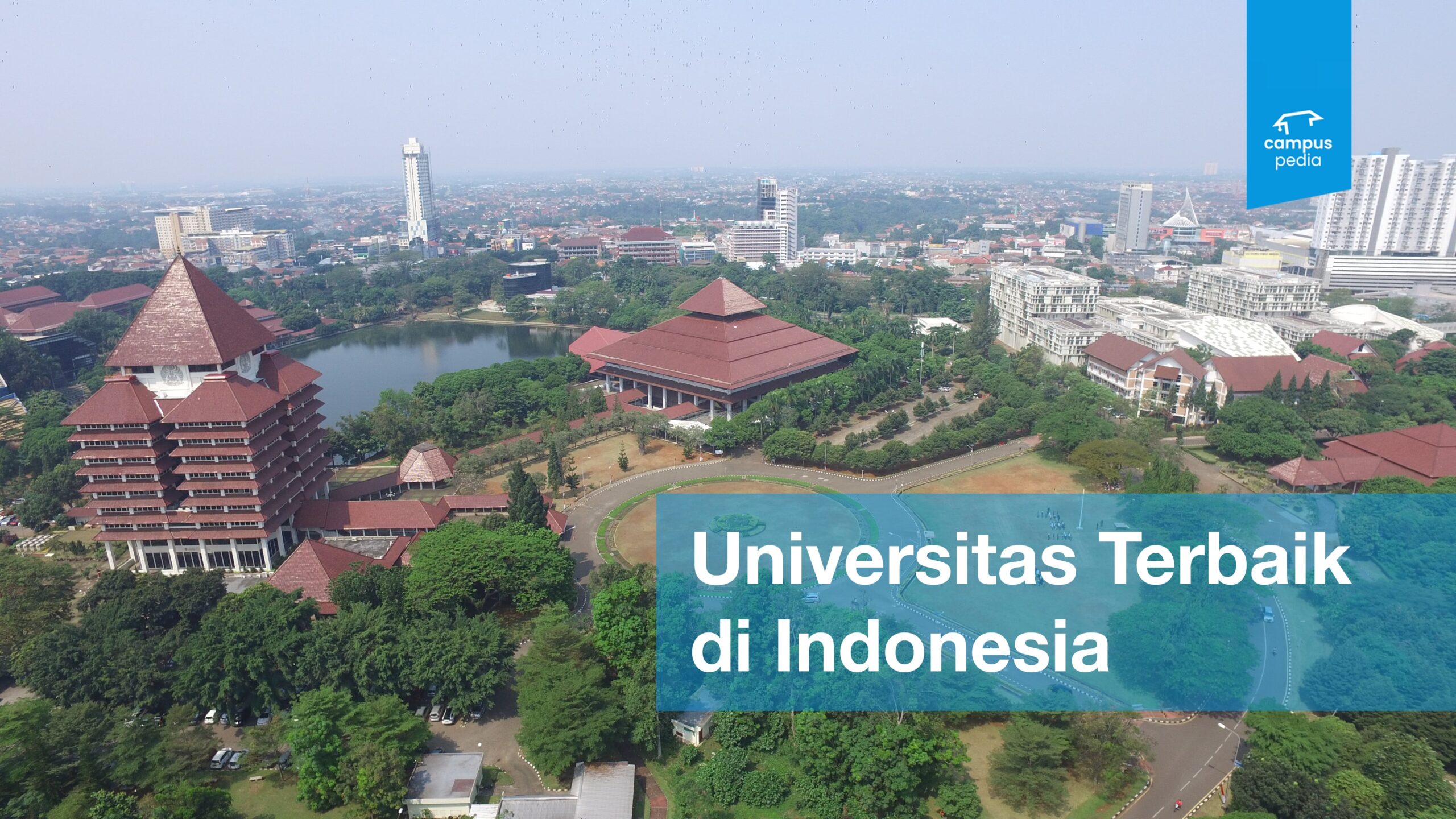
Understanding Akreditasi Universitas Aceh
The term “akreditasi” refers to the process by which educational institutions are evaluated to ensure they meet specific standards of quality and performance. In Indonesia, this process is crucial in enhancing the educational landscape, particularly for universities like Universitas Aceh (Unsyiah). Established in 1961, Unsyiah has taken significant strides to achieve and maintain its accreditation status, reflecting its commitment to quality education.
Importance of Akreditasi
Akreditasi plays a vital role in the Indonesian educational system. It serves not only as a benchmark for quality assurance but also contributes to international recognition. For prospective students, accreditation status can influence their choice of institution, as it often correlates with educational quality, faculty qualifications, and job market acceptance.
The Akreditasi Process
-
Self-Assessment: Every university must conduct a self-assessment as a first step. This involves evaluating programs, faculty credentials, resources, and infrastructure. At Universitas Aceh, this self-reflective process is embraced as a cooperative effort among various stakeholders.
-
Documentation: Once self-assessment is completed, detailed documentation is prepared, demonstrating how the university meets standards set by the National Accreditation Board for Higher Education (BAN-PT). This documentation is fundamental as it lays the groundwork for the next steps in the accreditation process.
-
Site Visit: Following documentation, a team of assessors from BAN-PT performs a site visit. This stage is critical as it allows assessors to corroborate the claims made in the self-assessment report through firsthand observation and interviews with faculty, students, and administrative staff.
-
Evaluation Report: Post-visit, the assessment team compiles an evaluation report articulating the university’s strengths and areas for improvement. This report outlines recommendations that can guide Universitas Aceh in enhancing its programs and facilities.
-
Decision: Finally, BAN-PT evaluates the report and makes a decision on the accreditation status. This status can vary from a certain number of stars (the more stars, the better the status) to full accreditation.
Criteria for Accreditation
The accreditation process for Universitas Aceh is guided by several criteria set forth by BAN-PT, including:
- Curriculum Relevance: Programs offered must align with national and international educational standards, equipping students for global competitiveness.
- Faculty Qualifications: A key aspect is the qualification and experience of faculty members. High-level degrees and research output are evaluated.
- Learning Environment: Adequate facilities, libraries, laboratories, and learning resources must be in place to provide an optimal learning environment.
- Student Services: Systems for academic advising, counseling, and career planning must support student welfare and success.
- Research and Community Engagement: Engagement in research activities and community service is critical, reflecting the institution’s social responsibility.
Current Accreditations
As of the latest review, Universitas Aceh has achieved notable accreditations across several faculties. The law faculty, education faculty, and engineering faculty pride themselves on receiving high marks for their educational quality, reflecting years of improvement and adherence to accreditation standards.
Continuous Improvement
The journey of achieving and maintaining accreditation is continuous. Universitas Aceh employs a strategic plan for quality enhancement, which includes workshops, faculty training sessions, and feedback mechanisms from students. Such efforts ensure that the university not only meets accreditation criteria but also fosters an environment of academic excellence.
Benefits of Accreditation for Students
For students, attending an accredited university like Universitas Aceh brings several advantages:
- Enhanced Job Prospects: Employers often favor candidates from accredited institutions, recognizing that they have received a quality education.
- Access to Funding: Many scholarships and financial aid programs require enrollment in accredited programs, making education more accessible to students.
- Transferability of Credits: Accreditation facilitates the transfer of credits to other institutions, providing greater flexibility for students pursuing advanced degrees.
Future Aspirations
As Universitas Aceh continues to uphold its commitment to quality education, it aims to achieve international accreditation in several programs. This aspiration will further enhance its reputation and attract a diverse student body from various regions.
Resource Links
- BAN-PT Website: For comprehensive details on accreditation processes and criteria.
- Unsyiah Official Website: For updates on policies, news, and academic offerings relating to its accreditation status.
- Student Forums: Engaging platforms where current and prospective students discuss experiences and seek advice related to university accreditation and programs.
Final Thoughts
Akreditasi Universitas Aceh is more than a mere evaluation process; it’s a commitment to excellence. The ongoing efforts in maintaining high standards reflect the dedication of the university towards providing a quality educational experience that aligns with both national and international benchmarks. By focusing on quality assurance, Universitas Aceh not only enhances its academic reputation but also plays a crucial role in preparing students for successful futures.